How to Choose the Best Bitcoin Casino in Canada in 2026: A Complete Guide to Safe, Fast, and Fair Crypto Gambling
How to Choose the Best Bitcoin Casino in Canada in 2026: A Complete Guide to Safe, Fast, and Fair Crypto Gambling

I've spent a good chunk of the last few years testing crypto gambling platforms across Canada, and honestly? The landscape shifted way more than I expected. What used to be a niche corner of the internet for tech-savvy gamblers has turned into something mainstream — a thing that rivals, and in a lot of ways beats, traditional online casinos. If you're a Canadian player wondering whether Bitcoin casinos are worth your time in 2026, this guide walks through what I've actually learned. The good, the risky, and the practical steps to get started without getting burned along the way.
What Makes a Bitcoin Casino Different in 2026
At its core, a Bitcoin casino lets you deposit, play, and withdraw using cryptocurrency instead of fiat currency like Canadian dollars. But the real appeal goes way beyond just the payment method. These platforms often run on blockchain technology, which means every bet can, in theory, be verified for fairness. Transactions clear in minutes rather than days. And since there's no middleman bank sitting between you and your funds, fees tend to run lower too.
Canadian players in particular gravitated toward crypto casinos because of the withdrawal delays so many of us dealt with on traditional e-wallets and bank transfers. Waiting three to five business days for a payout feels downright archaic when Bitcoin can land in your wallet in under an hour. Sometimes faster than that, honestly.
Bitcoin Casino vs. Traditional Online Casino
Here's how I'd break down the key differences, based on my own experience bouncing between both types of platforms:
- Payment speed: Crypto withdrawals typically process in minutes to a few hours; traditional methods can take days.
- Anonymity: Many Bitcoin casinos require less personal documentation upfront, though reputable sites still verify identity for larger withdrawals.
- Provably fair gaming: Blockchain-based games let you verify game outcomes mathematically — something traditional RNG casinos rarely offer.
- Currency volatility: Your bankroll's CAD value can shift with Bitcoin's price, which is a double-edged sword worth understanding before you deposit.
Is Bitcoin Gambling Legal in Canada?
This is probably the question I get asked most. The honest answer? It's complicated, but manageable — not scary, just a bit messy. Canada doesn't have one single federal framework built specifically for crypto gambling. Instead, provinces regulate gambling individually, and most online casinos — crypto or otherwise — operate under offshore licenses from jurisdictions like Curacao or Malta.
For Canadian players, this generally means you're legally allowed to play on offshore-licensed platforms as an individual, since the laws mostly target operators rather than players. That said, I always stick to sites with visible, verifiable licensing information. If a casino can't tell you who regulates them... that's a red flag worth taking seriously. Not a small one, either.
Key Criteria for Choosing the Best Bitcoin Casino
Not every crypto casino is built the same. I learned that the hard way after testing dozens of platforms, some of them genuinely painful experiences. Here's what actually separates the trustworthy ones from the sketchy ones.
Licensing, Security & Provable Fairness
Before anything else, I check for SSL encryption on the site (look for the padlock icon in your browser) and confirm the licensing authority listed in the footer. Curacao and Malta Gaming Authority licenses show up most often, and generally they're reliable. I also look specifically for 'provably fair' labeling on games — this means the casino runs cryptographic hash functions so you can independently verify that outcomes weren't rigged. Simple enough once you know what you're looking for.
Game Selection, Bonuses & Payout Speed
A solid Bitcoin casino offers a wide variety of slots, table games, and live dealer options — not just a handful of crypto-exclusive titles tossed in to tick a box. Welcome bonuses matter too, but I pay closer attention to the wagering requirements attached to them than the flashy headline percentage. A 200% bonus with a 50x wagering requirement is often worse than a modest 100% bonus with 20x terms. Do the math before you get excited — the big number isn't always the better deal.
Payout speed is where crypto casinos should really shine. That's the whole point, right? If I'm testing a new platform and withdrawals take longer than a few hours without any clear explanation, that's a problem. Full stop. Honestly, this is one of the reasons I keep coming back to the best bitcoin casino options available to Canadian players — platforms that pair solid game libraries with genuinely fast, transparent payouts tend to check every box I look for.
Step-by-Step: How to Start Playing at a Crypto Casino
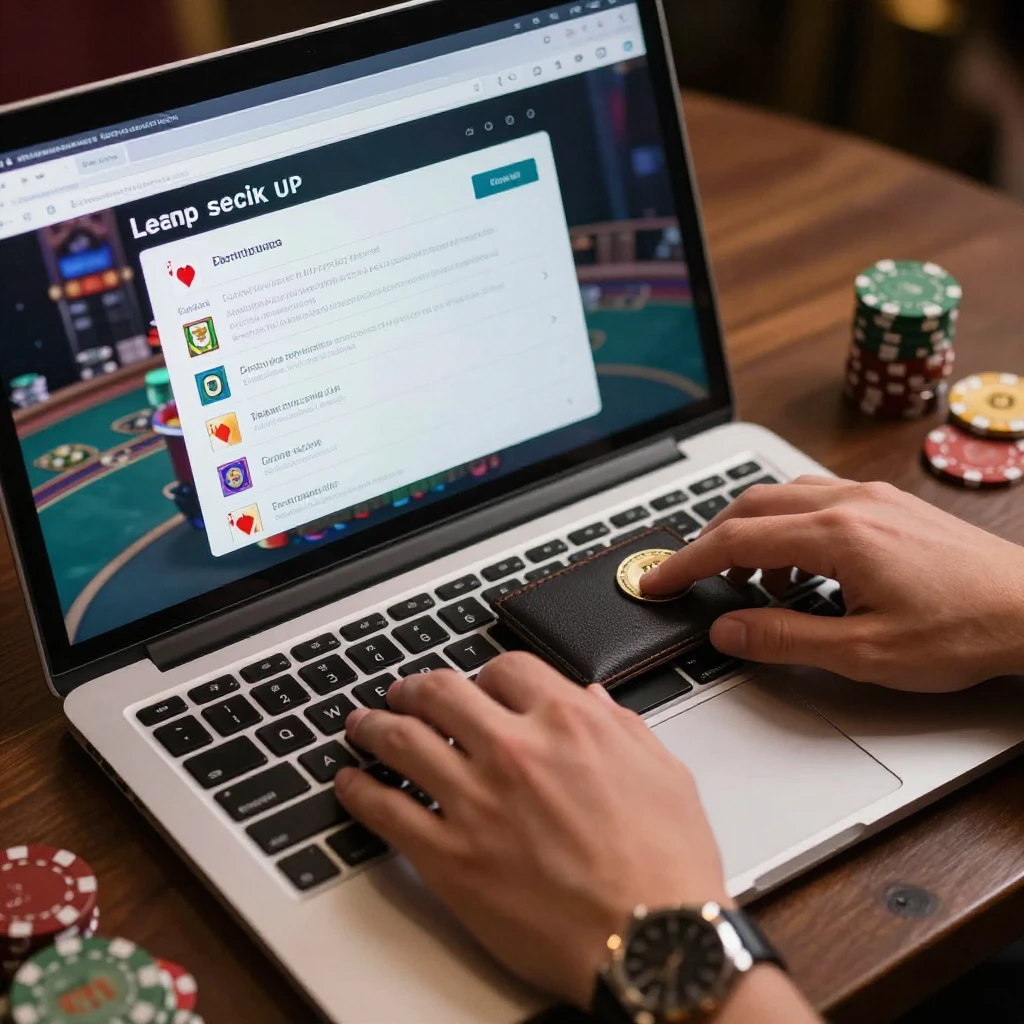
If you're new to this, the process is simpler than it sounds. Here's the roadmap I'd give any friend getting started — no fluff, just what actually matters.
Setting Up Your Crypto Wallet
First, you'll need a Bitcoin wallet. Software wallets like Exodus or Electrum work fine for most casual players, while hardware wallets like Ledger offer extra security if you're holding larger amounts. Buy your Bitcoin through a Canadian exchange — Shakepay, Bitbuy, or Coinberry are the usual suspects — then transfer it to your wallet address. Double-check that address before confirming. Crypto transactions can't be reversed, so there's no safety net if you fat-finger a character. Triple-check it, actually. There's no 'undo' button here.
Making Your First Deposit and Placing Bets
Most Bitcoin casinos set minimum deposit requirements as low as 0.001 BTC. Transactions usually confirm on the blockchain within 10-60 minutes, depending on network congestion — sometimes quicker, sometimes you're staring at your screen wondering if it went through. My advice: start small, track your bankroll in BTC terms rather than converting constantly to CAD in your head, and set a clear session budget before you start spinning. Trust me on the budget part. It's easy to lose track when the numbers look small on screen.
Common Mistakes Canadian Players Should Avoid
I've made a few of these mistakes myself early on, so let me save you the trouble:
- Skipping the wagering requirements fine print before claiming a bonus
- Playing on unlicensed or anonymous sites with no verifiable track record
- Not checking withdrawal limits until after you've won big
- Ignoring how Bitcoin's price swings affect your actual bankroll value
- Depositing more than you can comfortably afford based on short-term crypto volatility
Responsible Gambling and Safety Tips
Safe gambling matters just as much in crypto casinos as traditional ones. Maybe more, given how fast transactions move — there's less time to catch yourself mid-mistake. I always set deposit and loss limits directly in my casino account settings before I start playing. Most reputable platforms offer self-exclusion tools if you need a break.
Watch for warning signs like chasing losses, gambling beyond your planned budget, or feeling anxious about your bankroll. These are cues to step back and reassess. Not push through and hope it turns around.
Final Verdict — Choosing Your Ideal Bitcoin Casino
At the end of the day, picking the right Bitcoin casino in Canada comes down to four pillars: safety through proper licensing, speed in deposits and withdrawals, fairness through provable blockchain verification, and enough game variety to keep things interesting. Run through the criteria in this guide before committing real funds anywhere — it takes ten minutes and saves you a lot of grief later.
Take your time, start small, and treat crypto gambling as entertainment rather than an investment strategy. That mindset alone will save you a lot of headaches in 2026 and beyond.