How Canadians Can Escape Crippling Debt in 2026: A Complete Guide to Debt Consolidation, Credit Counseling, and Finding the Best Debt Relief Programs
How Canadians Can Escape Crippling Debt in 2026: A Complete Guide to Debt Consolidation, Credit Counseling, and Finding the Best Debt Relief Programs

If you've been lying awake doing math on next month's bills, you're not alone. Not even close. I've spent a good chunk of this year talking to Canadians about money, and honestly, the same story keeps surfacing — groceries that won't stop climbing, mortgage renewals landing at rates nobody planned for, credit card balances that somehow grow no matter how much gets paid down.
Debt here stopped being a fringe issue a while back. It's a kitchen-table conversation happening in millions of homes, from Halifax to Vancouver, and I hear versions of the same worried sentence over and over. Different names, different numbers, same underlying panic.
Here's the part that actually helps though: there are more legitimate ways out of debt in 2026 than most people assume. This guide walks through how debt consolidation really works, what credit counseling looks like in practice — not the brochure version — and how to compare relief programs without accidentally trading one financial headache for a worse one.
Understanding the Canadian Debt Crisis in 2026
Household debt in Canada has stayed stubbornly high even as inflation cooled off from its earlier peak. Why? A few forces are colliding at once. Variable-rate mortgages and lines of credit that reset over the past couple of years locked a lot of families into monthly payments nobody had in the original plan. I've seen budgets get blown up by a single renewal notice — one letter, and suddenly the math just doesn't work anymore.
Meanwhile, everyday costs — rent, groceries, insurance — never really came back down to pre-inflation levels, even though the headline numbers look calmer on paper now. Wages, for plenty of people, just haven't caught up. That gap is where the pressure actually lives, and it's not going away on its own.
Throw in the tail end of pandemic-era borrowing, student loan repayments resuming for a lot of borrowers, and rising minimum-payment thresholds on credit cards, and you've got a perfect storm. Understanding your options now — before things spiral — matters more than most people give it credit for.
Common Warning Signs You're in Debt Trouble
It's not always obvious when a 'tight month' quietly becomes a structural problem. A few signals I always tell people to watch for:
- You're only able to make minimum payments on credit cards, month after month
- You're relying on credit to cover groceries, gas, or utility bills—not just occasional treats
- Collection calls or letters have started arriving
- You're juggling balances between cards just to avoid missing a payment
- Your total unsecured debt is creeping past your annual take-home income
If two or more of these sound familiar, it's worth exploring formal debt relief options instead of waiting for things to get worse. And they usually do, if left alone. That's just how it goes — I've rarely seen it play out differently.
What Is Debt Consolidation and How Does It Work?
Debt consolidation is basically the process of combining several debts — credit cards, personal loans, maybe a line of credit — into one new loan or repayment plan. Instead of juggling five due dates and five interest rates, you're dealing with a single monthly payment, ideally at a lower rate than what you were paying before.
For a lot of Canadians, this alone brings serious relief. It's not magic — you still owe the same amount of money, I want to be clear about that — but the simplification and potential interest savings can make repayment far more manageable. Predictable, even. Which, if you've been drowning in due dates, is worth more than it sounds.
Debt Consolidation Loans vs. Balance Transfer Cards
There are two main routes people take here, and each comes with trade-offs worth knowing before you commit to either one.
Debt consolidation loans are personal loans (often from a bank, credit union, or online lender) used to pay off existing debts. You then repay this single loan over a fixed term. The upside: predictable payments and, if your credit is decent, a lower interest rate than typical credit card APRs. The downside: approval and rates depend heavily on your credit score, so people already struggling may not qualify for the best terms. A bit of a catch-22, honestly — the people who need the best rate most are often the ones least likely to get it.
Balance transfer cards let you move existing credit card balances onto a new card, often with a promotional 0% or low-interest period lasting several months. Can be a great short-term tool. If — and this is a big if — you can realistically pay off the balance before that promo period ends. The catch: transfer fees usually apply, and rates often jump sharply once the promotional window closes.
Credit Counseling Services Across Canada
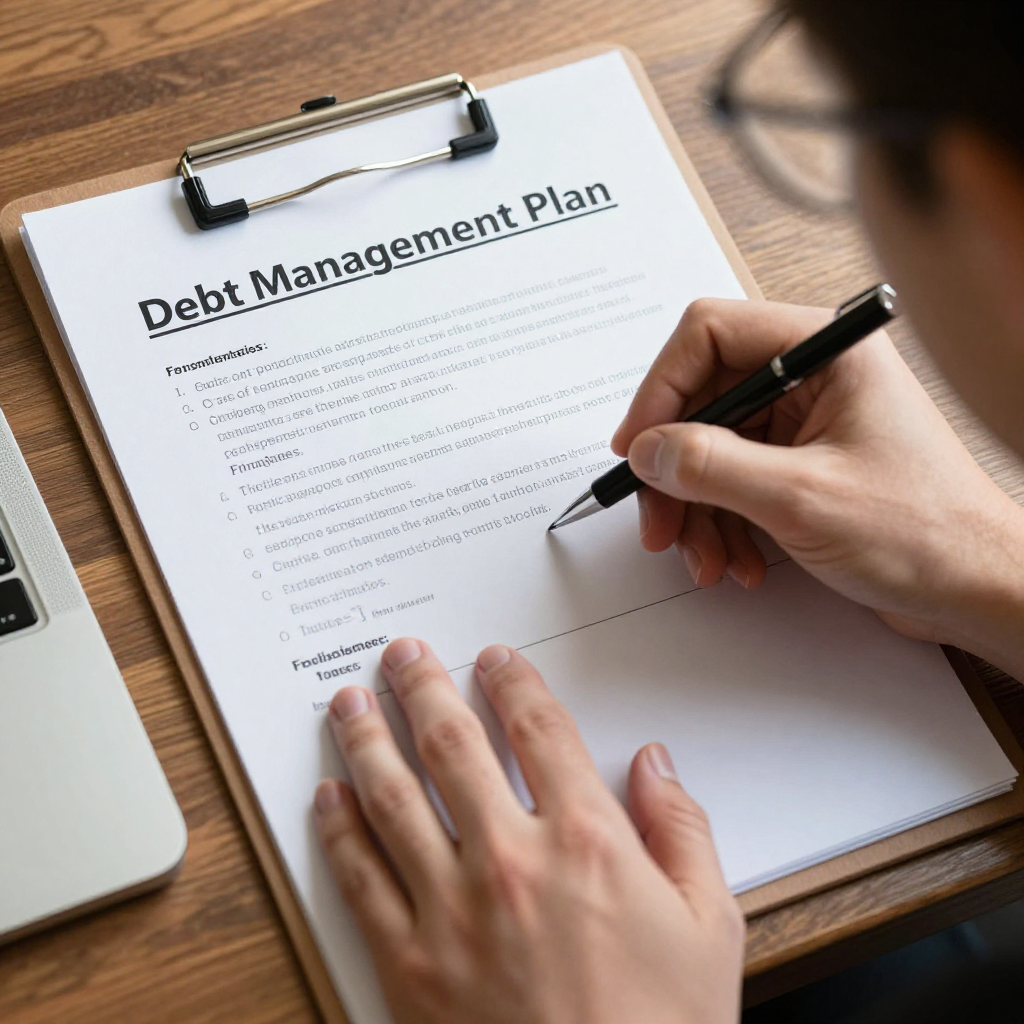
Credit counseling agencies exist specifically to help people navigate this kind of financial stress. A counselor will typically review your income, expenses, and total debt load, then help you build a realistic budget — and, if needed, set up a Debt Management Plan (DMP) with your creditors.
Under a DMP, the agency negotiates with your creditors on your behalf, often securing reduced interest rates or waived fees. You make one consolidated payment to the agency, and it distributes the funds to your creditors. Not a loan. A structured repayment arrangement — nothing more mysterious than that, whatever the ads make it sound like.
Non-Profit vs. For-Profit Credit Counseling
This distinction matters more than most people realize. Non-profit credit counseling agencies — many accredited through Credit Counselling Canada — generally charge little to nothing for an initial consultation and keep ongoing fees modest, since they're partly funded through creditor contributions.
For-profit companies can offer similar services, but sometimes charge higher upfront fees, and their incentives aren't always lined up purely with your best interest. Before signing anything: verify accreditation, ask for a clear breakdown of fees, check reviews or complaints filed with consumer protection bodies.
A legitimate counselor will never pressure you into a decision on the spot. If they do — walk away. I mean that literally. Get up, leave, don't sign anything on your way out.
How to Find and Compare the Best Debt Relief Programs
Once you understand your options — consolidation loans, DMPs, consumer proposals, or debt settlement — the next challenge is figuring out which one actually fits your situation. Eligibility varies (some programs need a minimum debt threshold, others depend on income stability), costs range widely, and the impact on your credit score differs a lot between methods.
Rather than guessing or clicking the first company that shows up in a Google ad, it helps to look at a resource that lays these programs out side by side. I'd recommend reviewing a curated list of the best debt relief programs so you can compare providers, fee structures, and eligibility requirements before committing to anything. That one comparison step upfront can save you from locking into a plan that doesn't actually match your financial reality.
Questions to Ask Before Choosing a Debt Relief Company
Before signing with any provider, run through this checklist:
- Are they licensed or accredited in Canada (and in your specific province)?
- Do they provide a full, written breakdown of all fees before you commit?
- What's their track record—can they show verifiable success rates or client testimonials?
- How will this program affect your credit report, and for how long?
- Is there a cooling-off period or ability to cancel without penalty?
If a company dodges any of these questions, treat that as a red flag. A big one. Not the kind you talk yourself out of.
Consumer Proposals and Bankruptcy—When to Consider Them
For debts that have grown beyond what consolidation or counseling can realistically fix, Canada offers two formal legal options, both administered exclusively by Licensed Insolvency Trustees (LITs): consumer proposals and bankruptcy.
A consumer proposal lets you negotiate to pay back a portion of what you owe — often significantly less than the full amount — over a period of up to five years, with interest frozen. It's legally binding once creditors accept it, and it stops collection calls and wage garnishments immediately. Immediately, not eventually.
Bankruptcy, meanwhile, is typically the last resort. It involves surrendering certain assets in exchange for having most unsecured debts discharged, usually within nine to twenty-one months depending on your circumstances.
Both options carry credit implications lasting several years, so an LIT consultation — which is free, worth repeating twice — is the right first move to figure out whether either path actually suits your situation better than consolidation or counseling.
Building Long-Term Financial Resilience After Debt Relief
Getting out of debt is only half the battle. Staying out is the real win, and it's the part people underestimate most. Once you've stabilized, focus on rebuilding. Start with a simple budgeting method — even a basic spreadsheet or app works — to track spending against income every month.
Building an emergency fund, even a modest one covering one month of expenses initially, keeps the next surprise car repair or medical bill from pushing you right back into credit dependency. On the credit side, a secured credit card is a practical, unglamorous tool for rebuilding your score responsibly. Nothing flashy about it. It just works.
And checking your reports through both Equifax and TransUnion Canada regularly helps you catch errors and actually watch your progress toward healthier credit. Small habit. Adds up more than you'd think.
Common Mistakes Canadians Make When Tackling Debt
Even well-intentioned efforts can go sideways. Some of the most frequent missteps I see: ignoring calls or letters from creditors (which usually escalates matters unnecessarily), falling for 'too good to be true' debt relief scams promising instant forgiveness, and choosing a consolidation loan or program without professional guidance — sometimes locking into worse terms than what they started with.
Another one that comes up constantly: waiting far too long before asking for help, hoping things will just improve on their own. They rarely do, quietly. Early action almost always leads to better outcomes — I've yet to see a case where waiting actually helped, if I'm being honest.
Conclusion: Taking the First Step Toward Financial Freedom in 2026
Debt in Canada right now is heavy. But it's not insurmountable, not even close, for most people who take real steps instead of just hoping. Whether the right path for you is a consolidation loan, a structured credit counseling plan, or a more formal option like a consumer proposal, the key is acting early and getting qualified guidance instead of navigating this alone.
Take time to compare your options carefully, ask the hard questions of any provider you're considering, and use trustworthy resources to guide the decision. The sooner you take that first step, the sooner 2026 becomes the year your finances start working for you — instead of against you.